
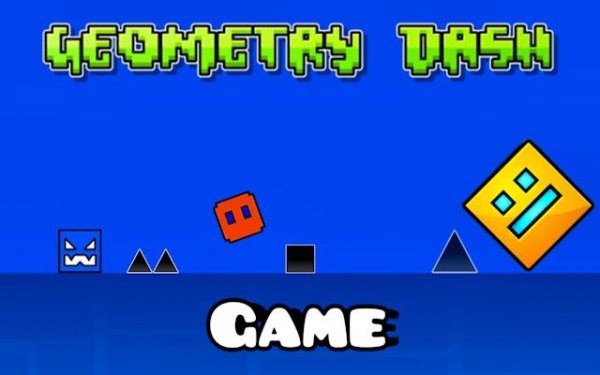
Game Introduction
Geometry Rhythm Dash Game is an online music-based platformer that combines fast-paced action with rhythm-driven gameplay. Players guide a geometric character through levels where each move is synchronized to an energetic soundtrack. The core objective is to reach the end of each level without hitting obstacles. What makes this game unique is its seamless integration of music and movement, where every jump and flight aligns with the beat. The game challenges your reflexes and timing as you navigate through sequences of spikes, pits, and moving blocks. With vibrant visuals and a straightforward control scheme, this game offers an accessible yet demanding experience for players of all skill levels. The game is designed to be engaging and rewarding, encouraging players to improve their sense of rhythm and coordination.
How to Play
To play Geometry Rhythm Dash Game, players typically tap or click to make their character jump. Holding the button allows the character to fly or dash through certain sections. The goal is to navigate from the start to the finish of each level without colliding with any obstacles. Players learn the patterns of spikes, blocks, and gaps as they appear in time with the music. If a player crashes, they restart from a checkpoint or the beginning, which encourages them to improve their timing and memorization. The game progressively introduces harder levels that may include new mechanics and twists, keeping the experience fresh and challenging.
Game Features
Rhythm-based platforming where obstacles sync with the music. Multiple challenging levels with increasing difficulty. A diverse roster of geometric characters to unlock. Simple controls that are easy to learn but hard to master. An addictive gameplay loop that rewards persistence and precision. The game may also include various visual themes and soundtracks to enhance the experience.
Tips for Success
Practice regularly to memorize level patterns and improve your timing. Focus on the rhythm of the music to anticipate upcoming obstacles. Stay patient after failures, as each attempt helps you learn the sequence. Start with easier levels to build confidence before tackling harder ones. Use short practice sessions to maintain concentration and avoid frustration.
Comments
0 comments