
Core Gameplay Loop
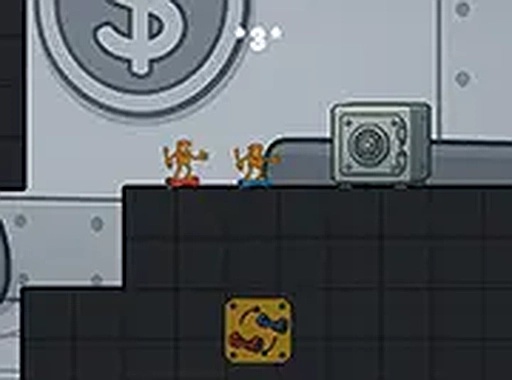
Partner Puzzle Dash centers on a simple but demanding premise: two players, each controlling a character, must work together to gather scattered items and locate a sealed container on each stage. The catch is that the environment is patrolled by moving figures that, upon contact, force a restart. This dynamic creates a constant need for split-second timing and clear communication between partners. One player might lure a guard away while the other dashes in to grab a key or open a path. The game does not rely on complex controls, which keeps the focus squarely on coordination rather than mechanical skill.
Level Structure and Obstacles
Each level in Partner Puzzle Dash presents a unique layout of platforms, corridors, and hiding spots. The patrolling figures follow set routes, but their speed and patterns vary, requiring players to adapt their strategy on the fly. Some stages introduce moving barriers or timed doors that demand precise cooperation. The overall difficulty ramps up gradually, ensuring that new players can learn the basics before facing more intricate puzzles. The game avoids punishing trial-and-error by keeping restarts quick, encouraging repeated attempts until the team finds a working approach.
Visual Style and Accessibility
The game features bright, cartoon-like visuals with clear character outlines and color-coded elements that make it easy to distinguish between players, items, and threats. This visual clarity is especially important during fast-paced moments. Partner Puzzle Dash runs entirely in a web browser on both desktop and mobile devices, with no downloads or installations required. A full-screen mode is available for those who prefer a more focused view. The simple art style and family-friendly presentation make it suitable for players of all ages.
Teamwork as the Core Mechanic
Unlike many games that include cooperative modes as an afterthought, Partner Puzzle Dash is built from the ground up around two-player interaction. There is no single-player option, and the puzzles are designed so that one person cannot complete them alone. This forces genuine collaboration: players must assign roles, call out guard positions, and time their moves together. The game rewards patience and clear communication over speed, making it a good choice for friends or family members looking for a shared challenge that requires real teamwork rather than just parallel play.
Comments
0 comments