
Core Gameplay Loop
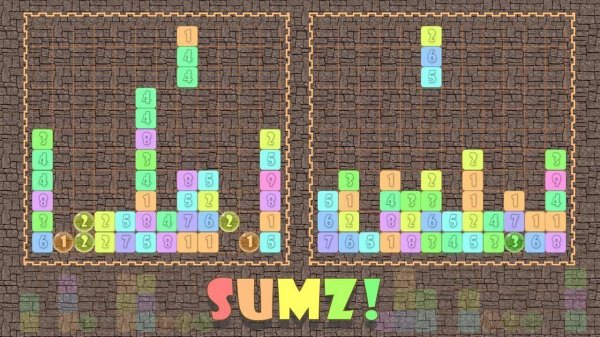
At the heart of Number Grid Logic lies a straightforward yet engaging mechanic. Players face a grid filled with numbered tiles. A target sum is displayed, and the goal is to select a continuous line of tiles—either across or down—whose numbers total exactly that target. When successful, those tiles vanish, making room for new numbers to appear. The target changes after each cleared line, ensuring no two rounds feel identical.
Strategic Tile Manipulation
Each tile can be rotated to show a different number, giving players control over the values on the board. This rotation is not random; it offers a limited set of options, so choosing which tile to adjust becomes a strategic decision. Rotating one tile might help complete a line but could also break another potential match. Balancing these trade-offs is key to progressing efficiently.
Visual Design and Accessibility
The interface uses a clean, uncluttered layout with clear numerals and a calm color palette. This design choice minimizes distractions, allowing players to focus on the arithmetic challenge. The game works smoothly across desktop browsers, tablets, and smartphones, with touch-friendly controls that make selecting and rotating tiles intuitive on any screen size.
Difficulty Progression
Early levels introduce small grids and simple target sums, letting new players grasp the basics. As the game advances, grids grow larger and target sums become more varied, requiring faster mental addition and more thoughtful planning. The increasing complexity keeps the experience rewarding without becoming frustrating, as there is no time pressure to force rushed decisions.
Mental Benefits and Appeal
Regular play can sharpen mental arithmetic skills and improve pattern recognition. The game appeals to a wide audience, from children practicing addition to adults seeking a light cognitive workout. Because it avoids any violent or mature themes, it fits comfortably in family settings, classrooms, or casual breaks during the day.
Comments
0 comments