
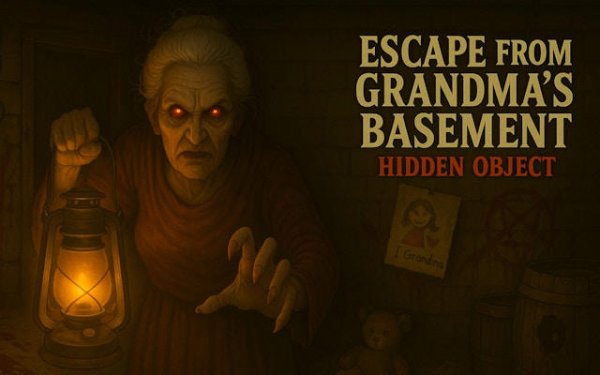
The Setting and Atmosphere
The game places you in a cozy attic space packed with boxes, old photographs, and assorted household goods. The environment feels lived-in and inviting, with soft lighting and a gentle color palette that encourages relaxed exploration. Every shelf and corner holds potential clues, blending seamlessly into the clutter.
Core Puzzle Mechanics
Players interact with the environment by clicking on objects that seem unusual or out of place. Collected items go into an inventory, where they can be combined or used on specific spots in the room. The puzzles rely on pattern recognition, simple code breaking, and logical connections between objects. There is no combat or timed pressure beyond a gentle countdown that adds focus.
Progression and Discovery
Each solved puzzle reveals a piece of the larger escape plan. Clues are often hidden in plain sight, such as a note tucked inside a book or a sequence of numbers on a calendar. The game rewards careful scanning and encourages players to revisit areas with new items. The sense of accomplishment grows as each locked drawer or door opens.
Visual Style and Accessibility
The graphics are clear and charming, with detailed textures that make objects easy to identify. The interface uses simple point-and-click controls, making it accessible for younger players and those new to puzzle games. Visual cues guide attention without giving away solutions, preserving the challenge.
Family-Friendly Design
The entire experience is designed to be non-threatening and suitable for all ages. There are no scary elements, intense sequences, or inappropriate themes. The puzzles are challenging enough to engage adults while remaining solvable by children with a little help. It works well as a shared screen activity for families.
Comments
0 comments